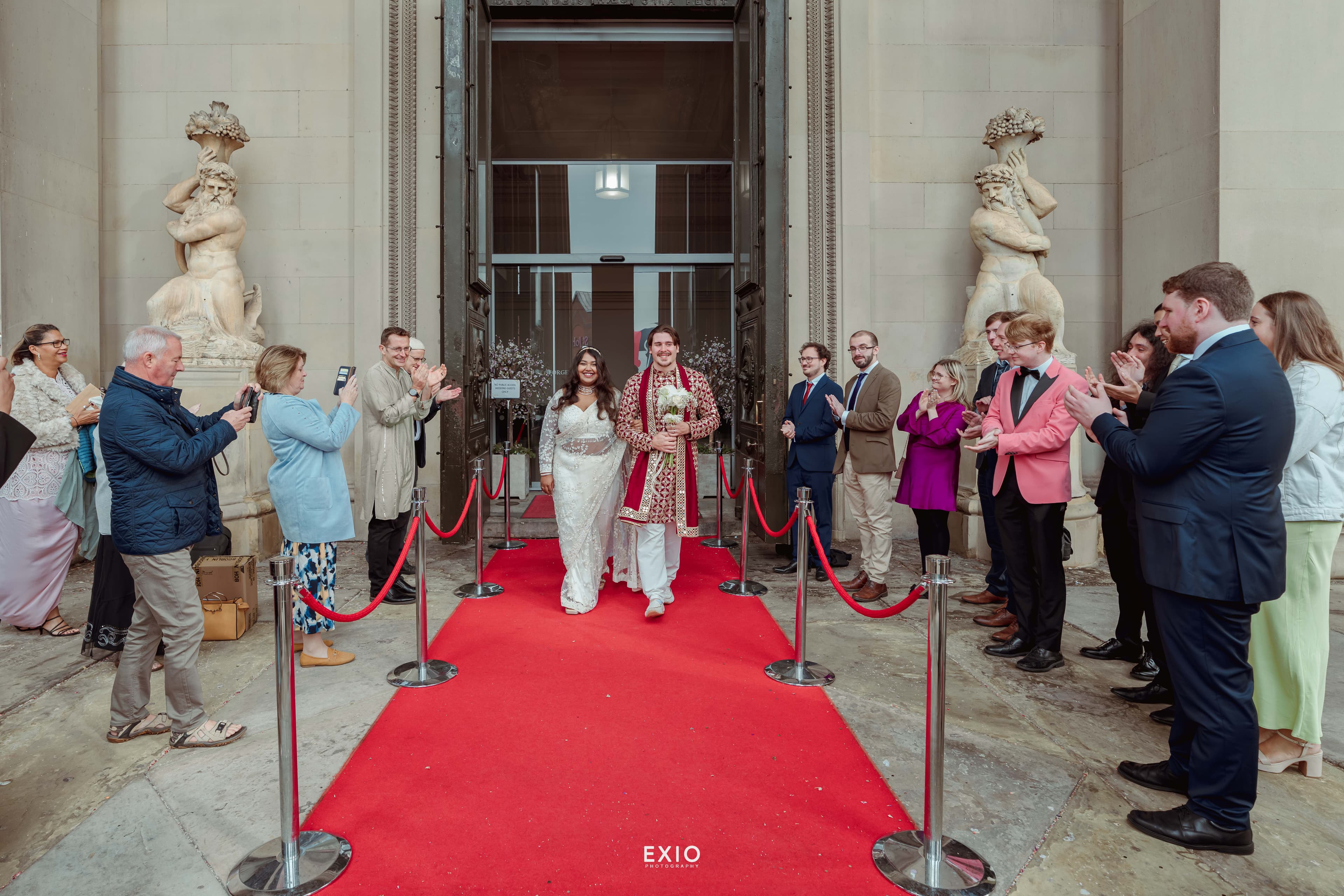
Exio Wedding Stories
Real Moments, Timelessly Told
London, United Kingdom
PhotographerVideographer
Wedding traditions
From intimate Nikkah to grand Walima — a celebration with faith at its centre.
A Muslim wedding in the UK brings together the sacred and the celebratory: a Nikkah ceremony that is the formal, legally and religiously binding contract of marriage, followed by a Walima feast hosted by the groom's family. The programme varies significantly between British Pakistani, Bangladeshi, Arab, and other Muslim communities — but the core events are universal.
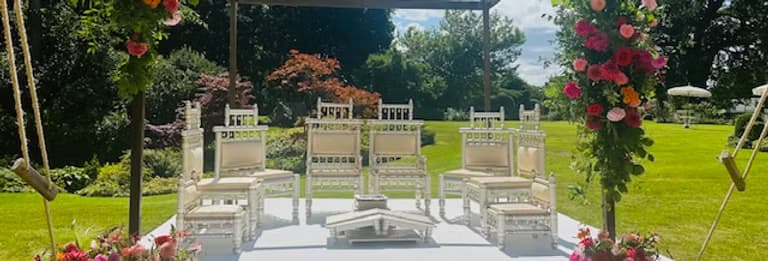
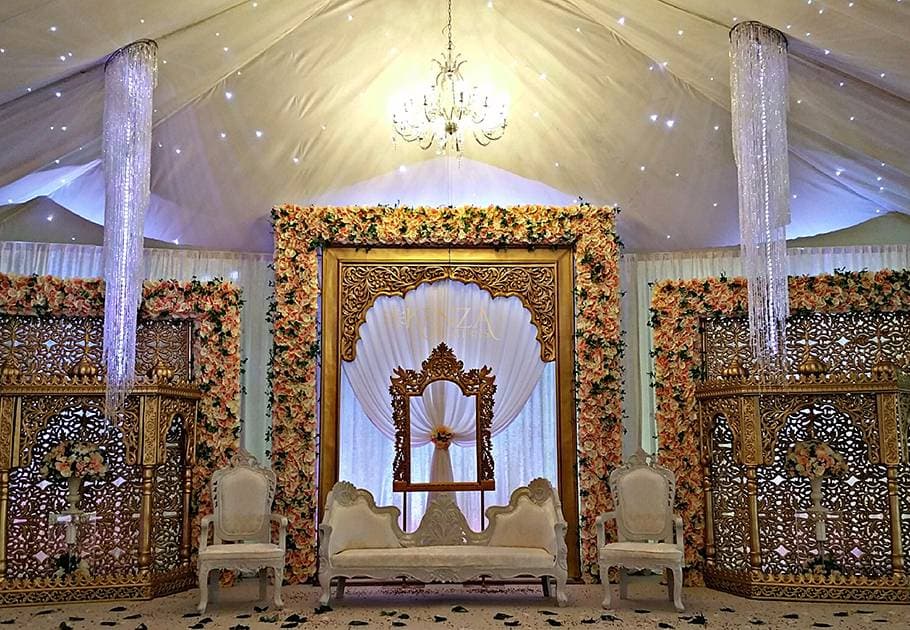
The Nikkah is the Islamic marriage contract — the formal act of marriage before Allah, conducted by an imam in the presence of witnesses. It involves the formal offer and acceptance of marriage, the agreement of the mahr (a gift from the groom to the bride), and the signing of the marriage contract. A Nikkah can range from an intimate gathering of 30 people in a mosque to a large, elaborately decorated hall celebration. The imam is one of the most important vendor choices: an eloquent, knowledgeable, and warm imam makes the ceremony accessible and moving for all guests.
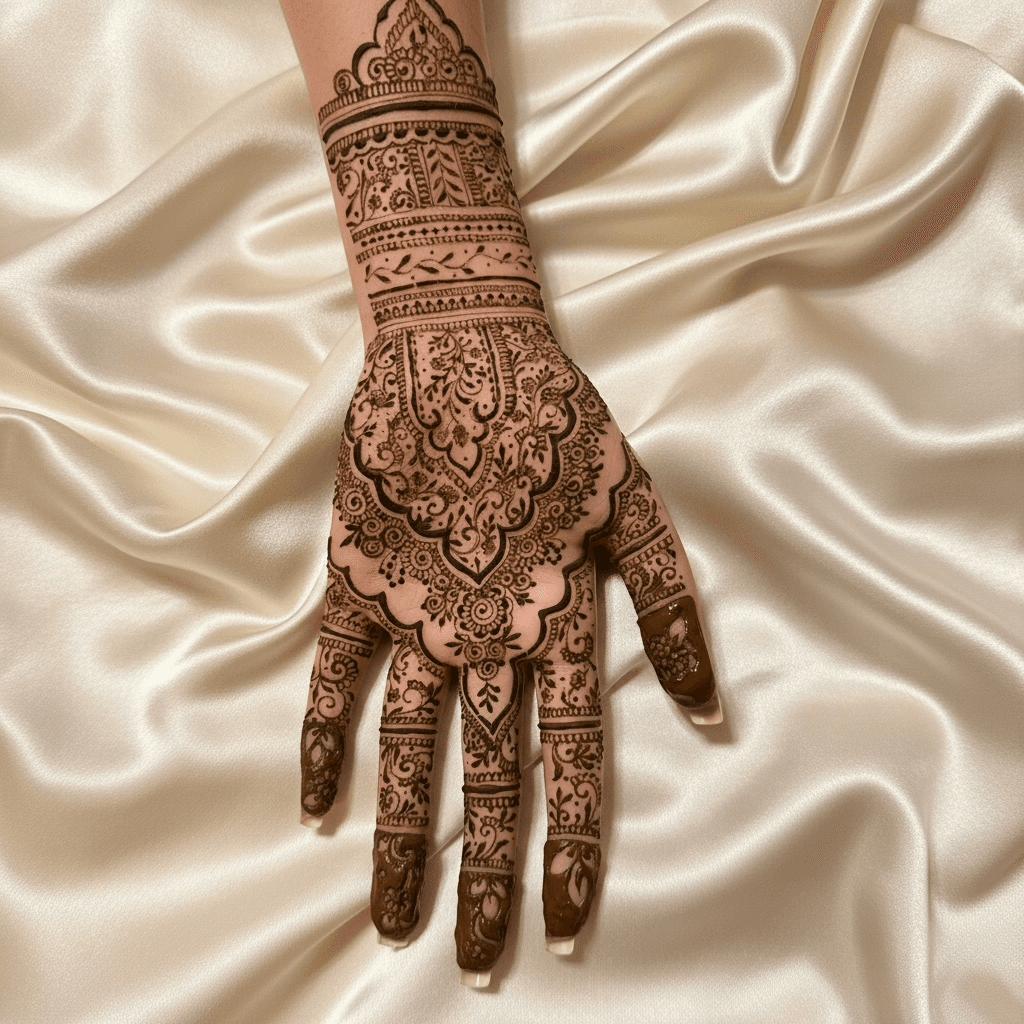
In many British Muslim communities, the Mehndi night is as elaborately celebrated as in Hindu and Sikh traditions — a decorated hall, professional mehndi artists working in parallel, a DJ or live music, and a catered dinner. For British Pakistani weddings, the Mehndi night is often one of the most visually spectacular events of the entire programme.
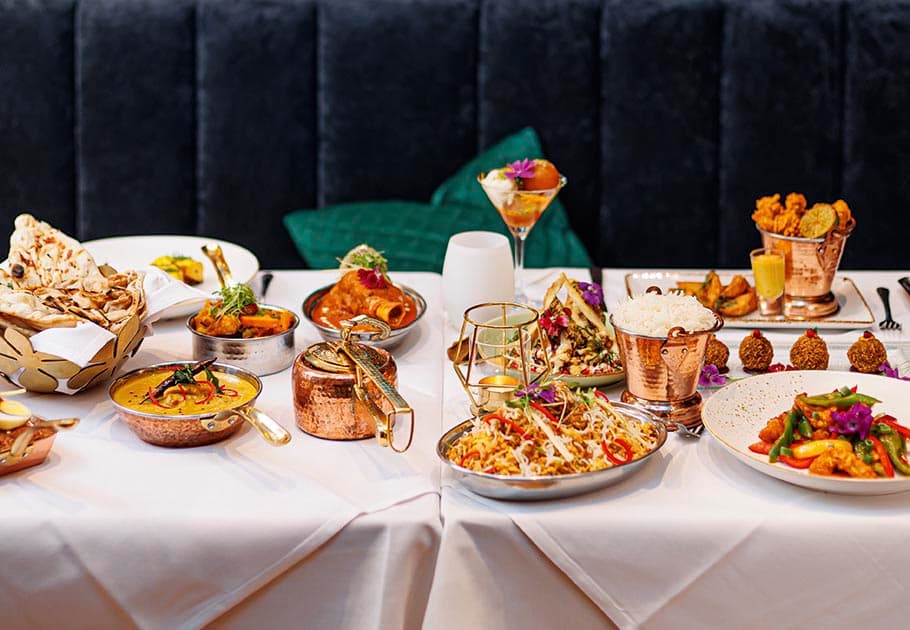
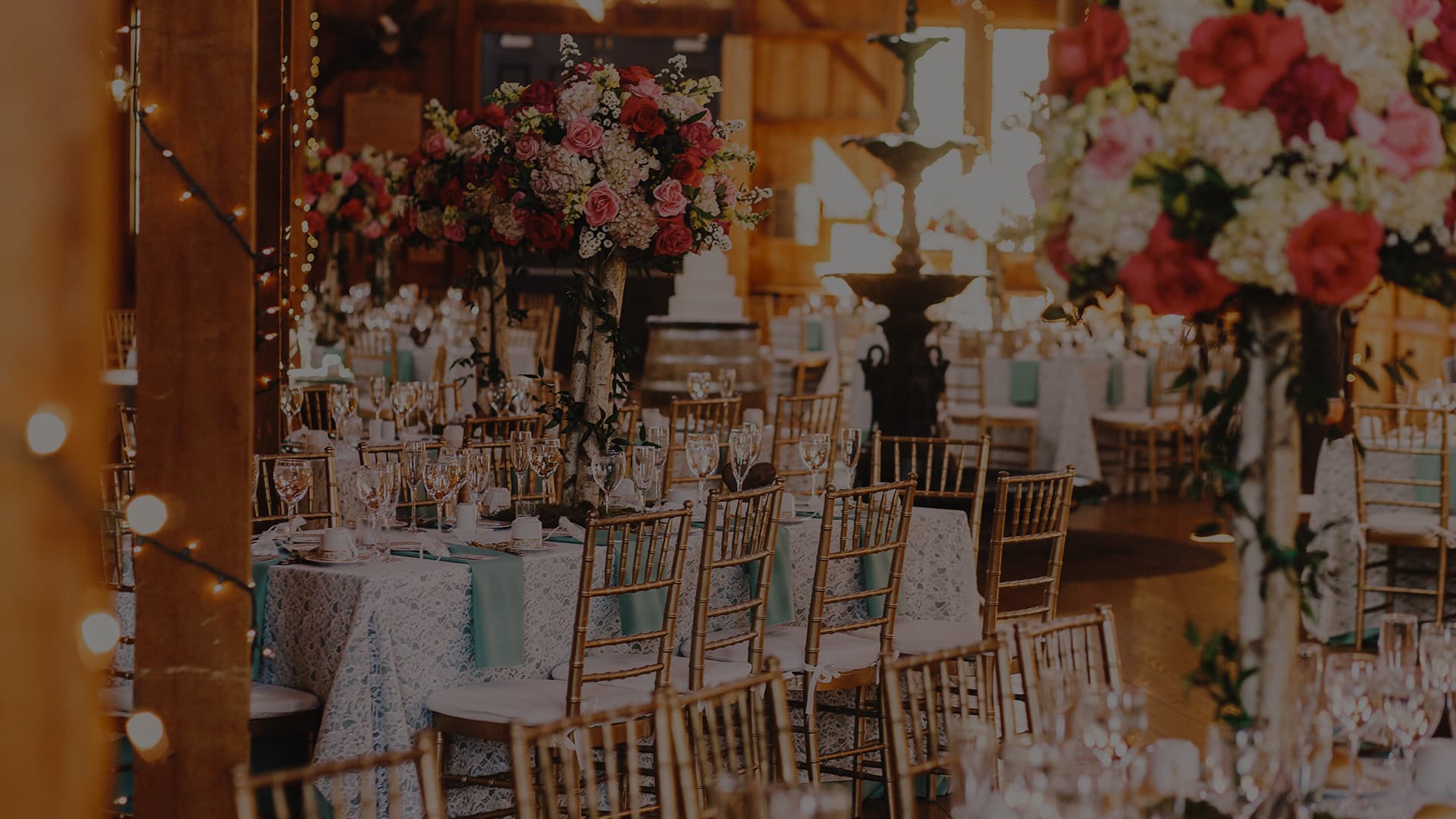
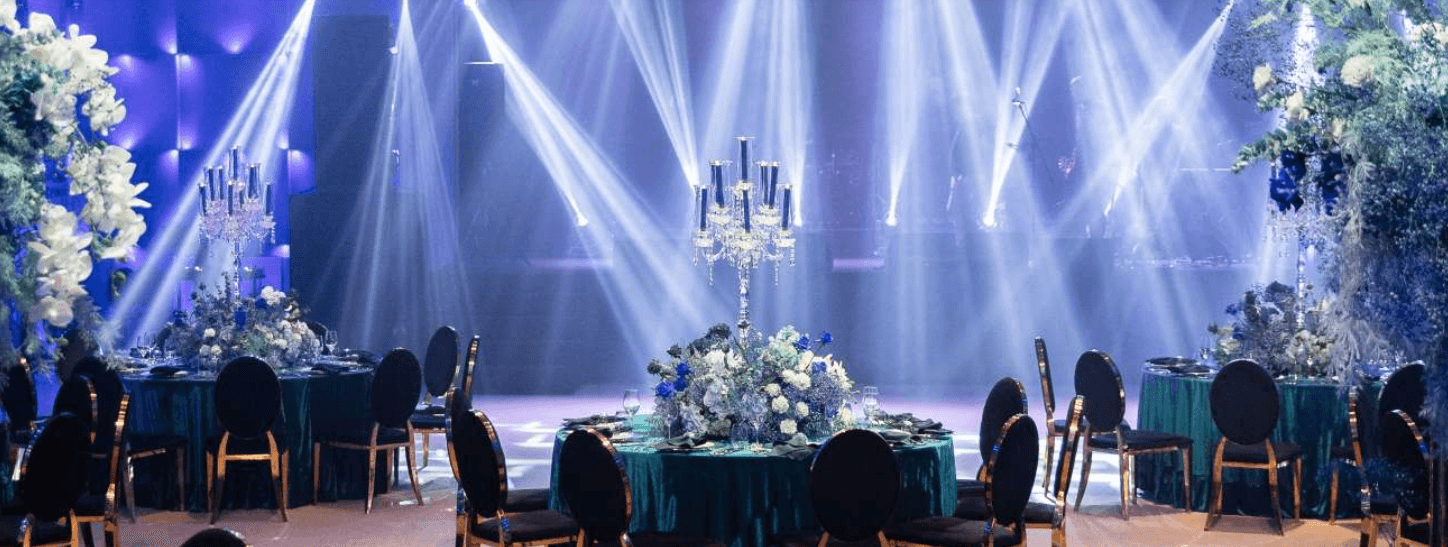
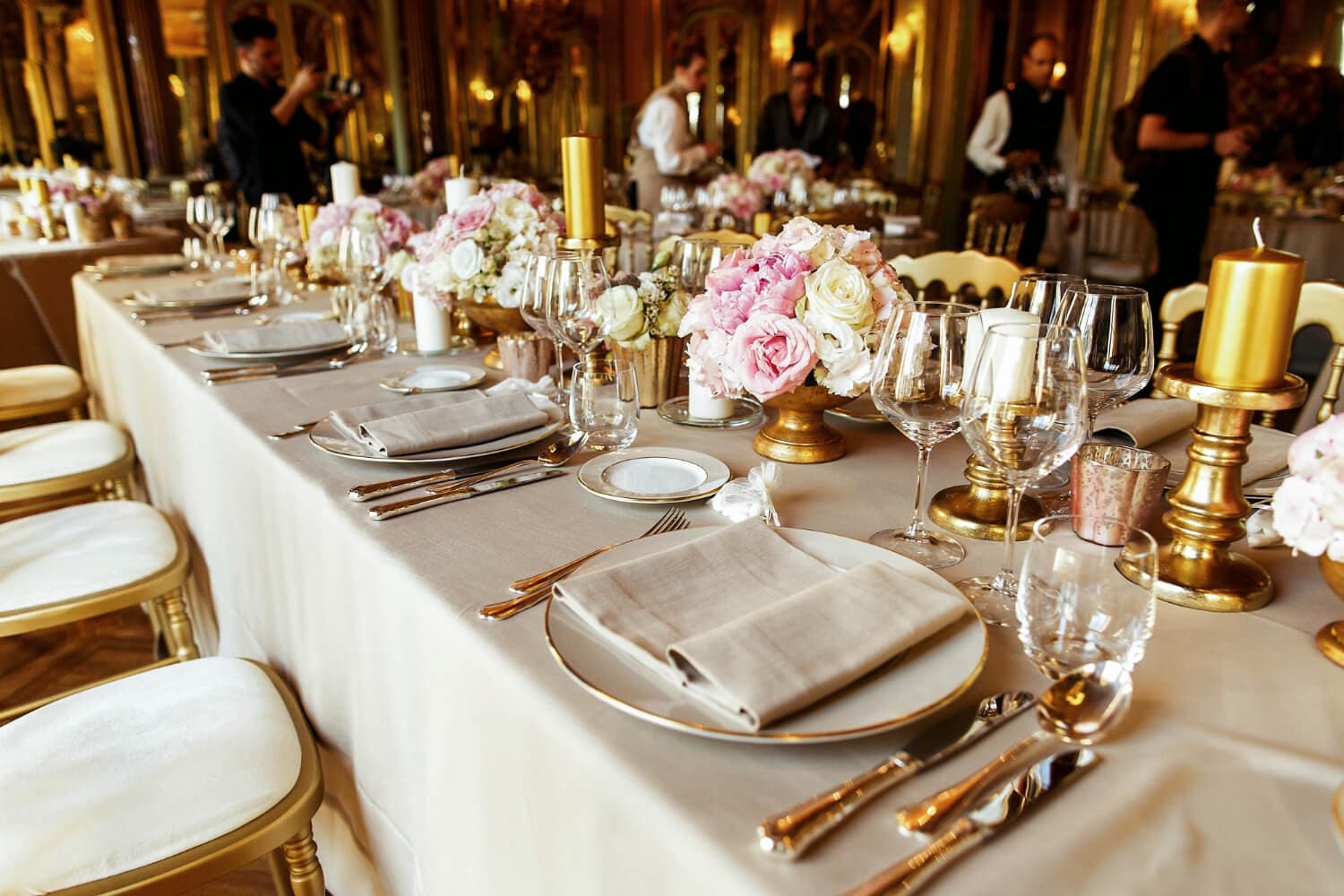
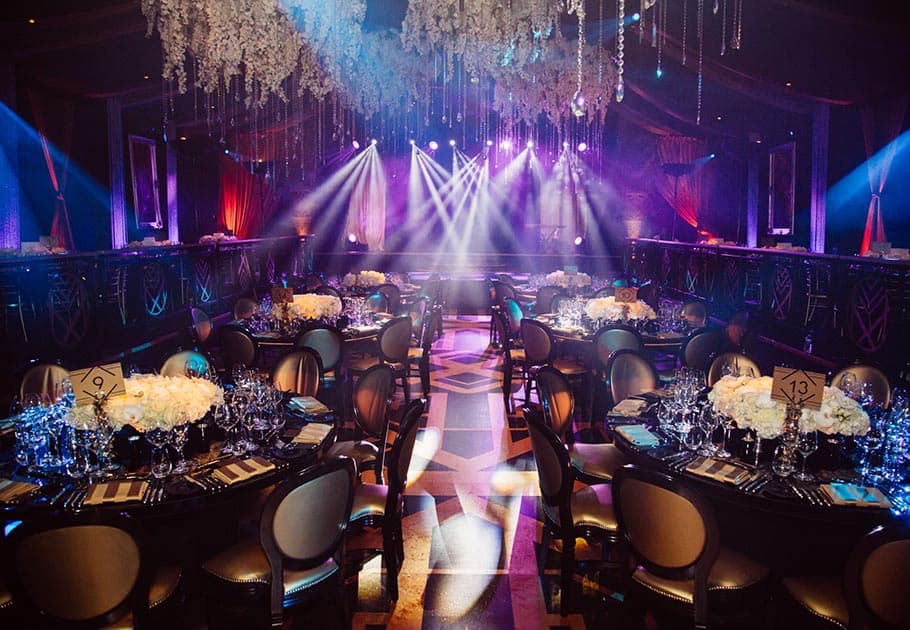
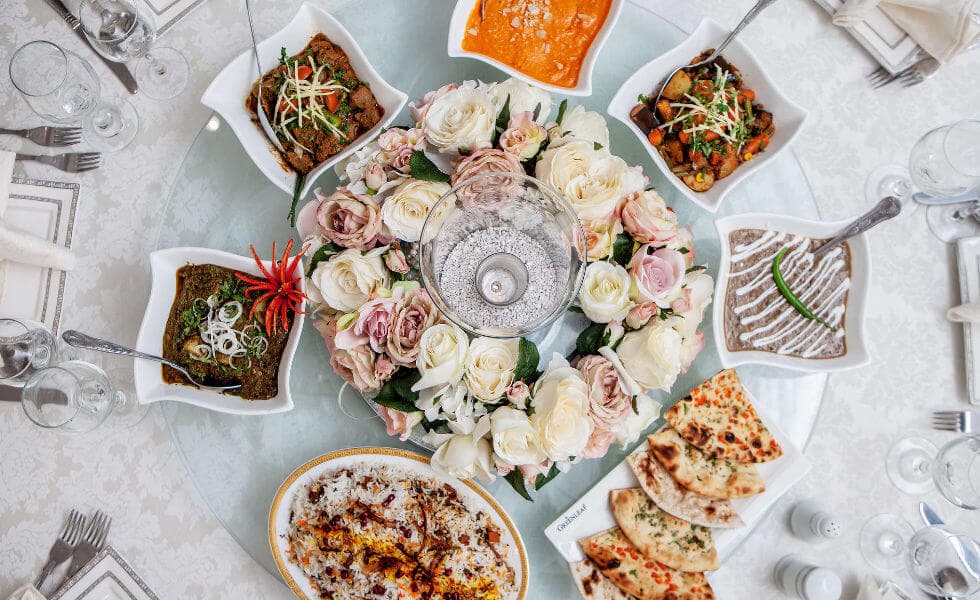
The Walima is the wedding reception feast hosted by the groom's family the day after the Nikkah — a sunnah (practice of the Prophet) and a community celebration. In the UK, the Walima is often held in a banqueting hall and can be as elaborate as a Western wedding reception, with a stage, professional catering, and entertainment. The food is a matter of enormous family pride — and all catering must be halal.
The key decisions for a Muslim wedding are a knowledgeable imam, a caterer who can guarantee fully halal menus at scale, a decorator who has worked on Nikkah and Walima settings, and a photographer and videographer who understand Islamic sensitivities around mixed-gender events. Starting early with these four gives you the best chance of securing the vendors who are right for your wedding.
Every function, in the order they typically happen.
Vendors who know your tradition and have the experience to match.
Specialists who know the rituals, timelines, and suppliers for your tradition.